

Test
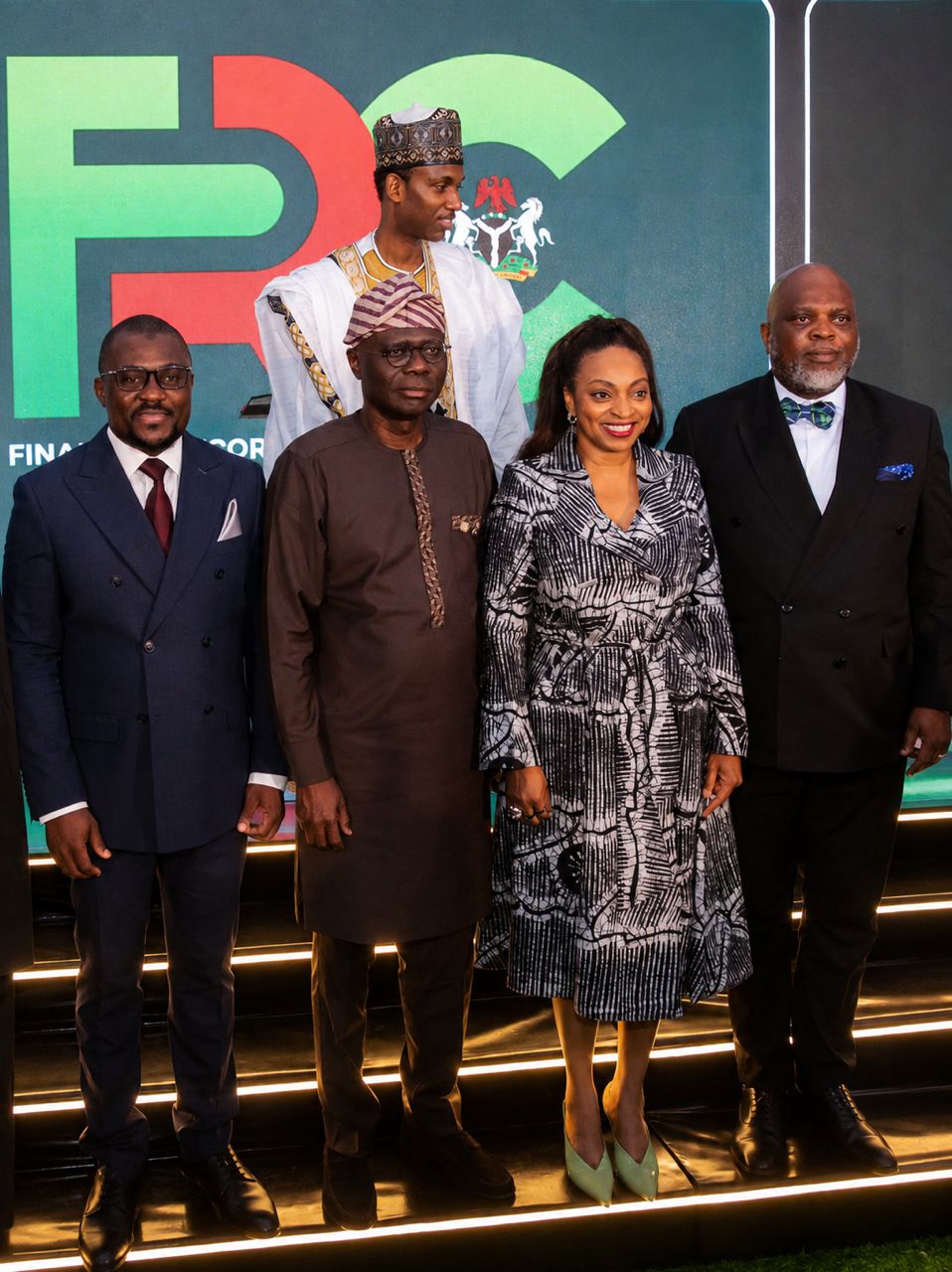
FRC Commissions Permanent Lagos HQ After 44 Years, Shettima, Sanwo-Olu Hail Olowo
The Financial Reporting Council of Nigeria (FRC) on Tuesday, September 1, 2026, commissioned its permanent headquarters in Lagos, ending more than four decades of operating without a permanent home and marking a significant new phase in the council’s institutional development.
The commissioning ceremony attracted Vice President Kashim Shettima, represented by his Special Adviser, Dr. Tope Fasua; Lagos State Governor, Babajide Sanwo-Olu; Minister of Industry, Trade and Investment, Dr. Jumoke Oduwole; representatives of the Minister of Finance; members of the National Assembly; traditional rulers; professional bodies; regulators; captains of industry and other stakeholders.
The development, according to Dr. Rabiu Olow, FRC’s Executive Secretary and Chief Executive Officer, goes beyond the completion of a physical structure, as it provides a permanent institutional base for a council whose mandate has expanded considerably since its establishment more than 40 years ago.
“Today is not simply opening a building. Today is about opening a new chapter in the history of an institution,” Olowo said.
He said the new headquarters reflected the growth of the FRC and the necessity for its physical infrastructure to correspond with the significance of its statutory responsibilities.
Olowo traced the Council’s origins to 1982, when the Nigerian Accounting Standards Board (NASB) was established. The organisation subsequently received statutory backing under the Nigerian Accounting Standards Board Act of 2003 before being transformed into the Financial Reporting Council of Nigeria by the FRC Act of 2011.
Over the years, he noted, the council’s responsibilities had grown beyond accounting standards to encompass financial reporting, accounting, auditing, actuarial and valuation standards, corporate governance and sustainability reporting.
Despite the expansion of its mandate and more than four decades of institutional development, Olowo said the FRC had never had a permanent headquarters of its own until the acquisition and development of the new facility.
He described the building as a representation of stability, independence, credibility and institutional dignity.
“Today, the Council has a home. And this home belongs not to one Executive Secretary or CEO, not to one board, not even to the minister or the president. It belongs to Nigeria,” he said.
Olowo said the permanent headquarters would provide the FRC with a central platform from which it could deepen engagement with investors, regulators, professional bodies, auditors, directors, academics, government institutions and development partners.
He added that the facility would give FRC employees a work environment commensurate with the importance of their responsibilities.
The FRC chief executive also expressed appreciation to members of the National Assembly, particularly the relevant Senate and House of Representatives committees, for their support throughout the process of acquiring and developing the property.
The commissioning also provided an opportunity for the Council to recognise individuals whose leadership and support, Olowo said, had contributed to the evolution of the FRC.
Former Executive Secretary and CEO, Jim Obazee, who led the council from 2011 to 2017, was commended for strengthening regulatory enforcement and compliance.
The FRC also honoured the late Daniel Asapokhai, who served as Executive Secretary and CEO between 2017 and 2021.
Ambassador Shuaibu Ahmed, who headed the council from 2021 to 2023, was equally recognised for his contribution to Nigeria’s financial reporting and regulatory framework.
Facilities in the new building were named after the three of them respectively.
Olowo explained that the decision to name facilities a…
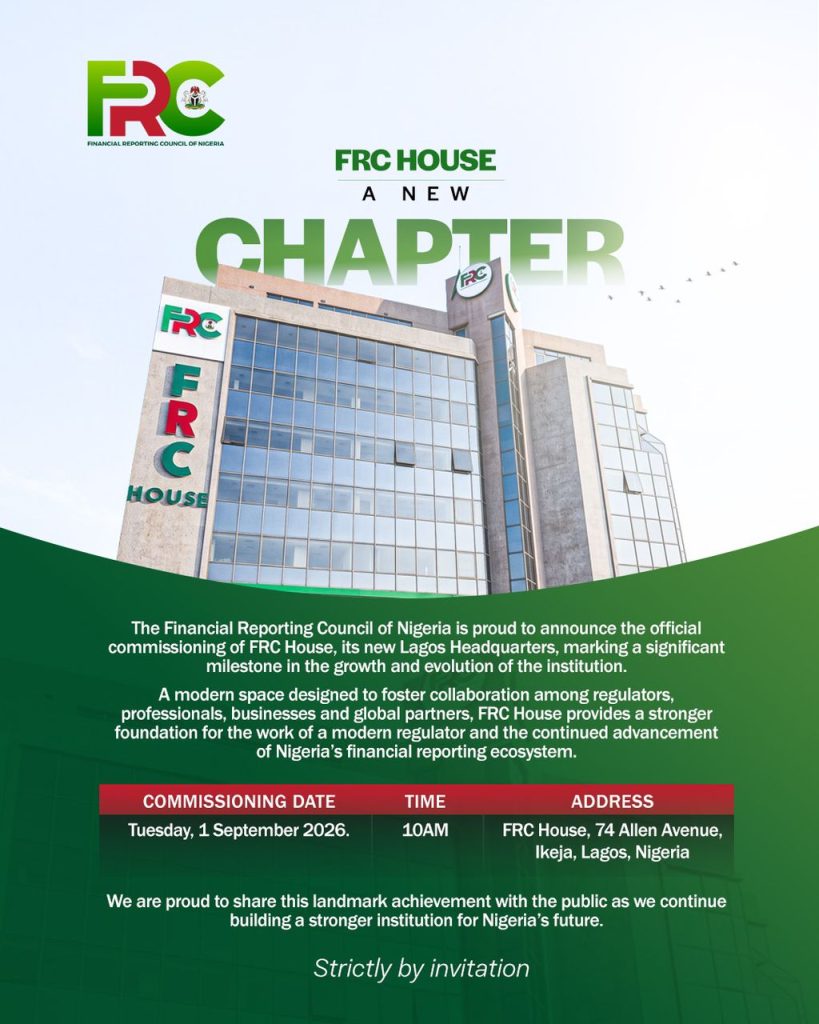
FRC Relocates Headquarters to FRC House, Allen Avenue, Ikeja
Effective 17 August 2026
The Financial Reporting Council of Nigeria (FRC) hereby notifies all stakeholders, regulated entities, professional bodies, government institutions, development partners, and the general public that its Headquarters has been relocated to a new office address, effective 17 August 2026.
PREVIOUS ADDRESS
Alexander House, 4th & 5th Floors
Plot 8, Jobi Fele Way
Central Business District
Alausa, Ikeja, Lagos
NEW HEADQUARTERS ADDRESS
FRC House
No. 74, Allen Avenue
Ikeja, Lagos
This relocation marks an important milestone in the Council’s commitment to strengthening its operations and enhancing service delivery to stakeholders. The new headquarters provides a more conducive and efficient working environment that will support improved stakeholder engagement, operational excellence, and the effective discharge of the Council’s statutory responsibilities.
Stakeholders are kindly requested to update their records and direct all future correspondence, visits, and official engagements to the new address.
The Financial Reporting Council of Nigeria appreciates the continued support, cooperation, and partnership of its stakeholders and the general public. We look forward to welcoming you to our new headquarters and to serving you better from our new location.
FRC Hosts 2026 Audit and Assurance Leadership Summit on Strengthening Audit Integrity in the AI Era
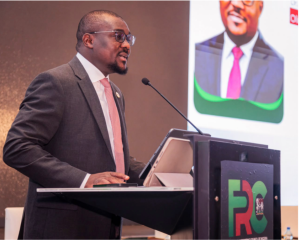
The Financial Reporting Council of Nigeria (FRC) successfully hosted the 2026 Audit and Assurance Leadership Summit at the Lagos Marriott Hotel, Ikeja, bringing together distinguished dignitaries, regulators, audit and assurance professionals, industry leaders, academics, and other key stakeholders to examine the future of audit and assurance in an era increasingly shaped by Artificial Intelligence (AI).
With the theme, “Audit Integrity in the AI Era: Independence, Accountability and Reliable Financial Reporting,” the Summit provided a strategic platform for thought leadership, knowledge exchange, and dialogue on emerging developments, opportunities, and challenges associated with the integration of AI into audit and assurance practices.
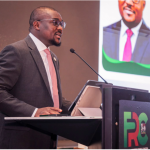
In his welcome address, Dr. Rabiu Olowo, Executive Secretary/Chief Executive Officer of the FRC, underscored the importance of preserving audit integrity, professional judgment, independence, and public trust as AI continues to transform the audit and assurance landscape. He noted that while AI offers significant opportunities to enhance audit quality, efficiency, and analytical capabilities, its adoption must be guided by robust governance frameworks, accountability mechanisms, and the highest standards of professional ethics.
The Summit was formally declared open by Dr. Chris Osa Isokpunwu, Permanent Secretary, Federal Ministry of Industry, Trade and Investment, who represented the Honourable Minister of Industry, Trade and Investment, Dr. Jumoke Oduwole.
The event also featured goodwill messages from prominent stakeholders, including representatives of the Auditor-General for the Federation, Shaakaa Kanyitor Chira; Hajiya Queensley Sofuratu Seghosime, President of the Institute of Chartered Accountants of Nigeria (ICAN); Ambassador Shuaibu Ahmed, FCA, Former Executive Secretary/CEO of the Financial Reporting Council of Nigeria; Mr. Sola Oyetayo, Group Financial Controller, Axela Limited, and other distinguished leaders within Nigeria’s financial reporting and assurance ecosystem.
A key highlight of the Summit was the series of expert-led panel discussions, which explored the implications of emerging technologies for audit quality, transparency, accountability, and stakeholder confidence.
AI and the Future of Audit Quality
The first panel session, titled “AI and the Future of Audit Quality: Opportunities, Risks, and Regulatory Expectations,” was moderated by Anthony Amodu, Chief Revenue Officer, Pastel Africa.
The esteemed panel comprised:
- Mr. Emmanuel Akeni, Head, Systems Audit and Security Compliance, Credit Direct Finance Company Limited
- Christopher Ogirri, Associate Director and Chief AI Officer, PwC
- Oluwatobi Blessing Olayiwola, AI & Data Senior Manager, Deloitte & Touche
- Dr. Adedoyin Talabi, Principal Consultant, Data Pulse Nigeria Limited
- Dr. Ivan Anya, Chief Executive Officer, Business Intelligence Technologies Ltd.
Discussions focused on the transformative role of AI in enhancing audit processes and improving audit quality, while also addressing critical issues relating to data security, governance, cybersecurity, regulatory oversight, and professional judgment. Panelists emphasised that although AI-powered tools can significantly strengthen audit effectiveness, auditors must remain accountable for the judgments and conclusions underpinning audit opinions. The session also highlighted the importance of maintaining auditor independence and ensuring that technological innovation does not undermine public confidence in the profession.
Closing the Audit Expectation Gap
The second panel session, “Closing the Audit Expectation Gap: Restoring Public Trust and Strengthening Accountability,” was moderated by Mr. Titus Osawe, Former Director, Financial Reporting Council of Nigeria.
Panelists included:
- Sir Sunny Nwosu, National Leader Emeritus, Independent Shareholders Association of Nigeria (ISAN)
- Jamiu Adeyemi Olakisan, Assurance Leader, EY West Africa
- Ashade Akinyemi, Financial Services Industry Audit Division, KPMG Nigeria
- Kunle Oyetoyan, Finance and Corporate Reporting Regulatory Executive
- Dr. Iheanyi Anyahara, Former Director, Financial Reporting Council of Nigeria
- Ayoola Onabokun, Group Financial Controller, Axela Limited
The session examined the persistent audit expectation gap and explored practical measures for strengthening transparency, accountability, and stakeholder confidence in financial reporting. Discussions centred on the evolving role of auditors, the need for greater stakeholder understanding of audit responsibilities, and strategies for enhancing the credibility and reliability of audit outcomes in an increasingly complex business environment.
Reinforcing Trust, Accountability and Audit Excellence
The 2026 Audit and Assurance Leadership Summit reaffirmed the Financial Reporting Council of Nigeria’s commitment to promoting high-quality audit and assurance practices, strengthening professional independence, and enhancing confidence in Nigeria’s financial reporting ecosystem.
As technological innovation continues to reshape the profession, the Summit highlighted the collective responsibility of regulators, practitioners, preparers, investors, and other stakeholders to ensure that advances in AI are harnessed responsibly, while upholding the principles of integrity, accountability, transparency, and public trust that remain the foundation of effective audit and assurance.
Through initiatives such as the Audit and Assurance Leadership Summit, the Financial Reporting Council of Nigeria continues to provide leadership in advancing reliable financial reporting, strengthening investor confidence, and supporting sustainable economic development.