


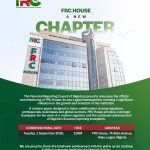


The Financial Reporting Council of Nigeria (FRC) on Tuesday, September 1, 2026, commissioned its permanent headquarters in Lagos, ending more than four decades of operating without a permanent home and marking a significant new phase in the council’s institutional development.
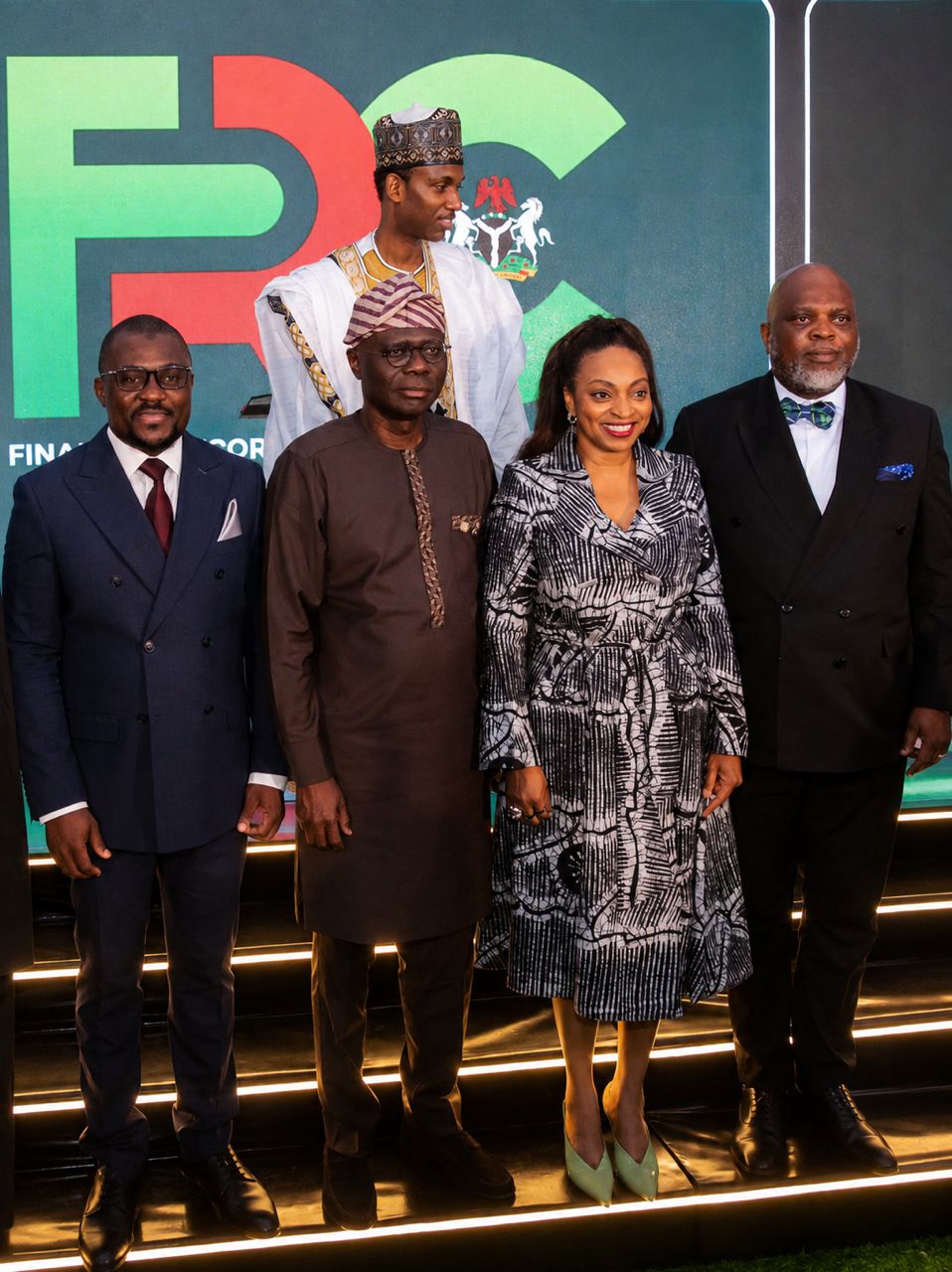
The commissioning ceremony attracted Vice President Kashim Shettima, represented by his Special Adviser, Dr. Tope Fasua; Lagos State Governor, Babajide Sanwo-Olu; Minister of Industry, Trade and Investment, Dr. Jumoke Oduwole; representatives of the Minister of Finance; members of the National Assembly; traditional rulers; professional bodies; regulators; captains of industry and other stakeholders.
The development, according to Dr. Rabiu Olow, FRC’s Executive Secretary and Chief Executive Officer, goes beyond the completion of a physical structure, as it provides a permanent institutional base for a council whose mandate has expanded considerably since its establishment more than 40 years ago.
“Today is not simply opening a building. Today is about opening a new chapter in the history of an institution,” Olowo said.
He said the new headquarters reflected the growth of the FRC and the necessity for its physical infrastructure to correspond with the significance of its statutory responsibilities.
Olowo traced the Council’s origins to 1982, when the Nigerian Accounting Standards Board (NASB) was established. The organisation subsequently received statutory backing under the Nigerian Accounting Standards Board Act of 2003 before being transformed into the Financial Reporting Council of Nigeria by the FRC Act of 2011.
Over the years, he noted, the council’s responsibilities had grown beyond accounting standards to encompass financial reporting, accounting, auditing, actuarial and valuation standards, corporate governance and sustainability reporting.
Despite the expansion of its mandate and more than four decades of institutional development, Olowo said the FRC had never had a permanent headquarters of its own until the acquisition and development of the new facility.
He described the building as a representation of stability, independence, credibility and institutional dignity.
“Today, the Council has a home. And this home belongs not to one Executive Secretary or CEO, not to one board, not even to the minister or the president. It belongs to Nigeria,” he said.
Olowo said the permanent headquarters would provide the FRC with a central platform from which it could deepen engagement with investors, regulators, professional bodies, auditors, directors, academics, government institutions and development partners.
He added that the facility would give FRC employees a work environment commensurate with the importance of their responsibilities.
The FRC chief executive also expressed appreciation to members of the National Assembly, particularly the relevant Senate and House of Representatives committees, for their support throughout the process of acquiring and developing the property.
The commissioning also provided an opportunity for the Council to recognise individuals whose leadership and support, Olowo said, had contributed to the evolution of the FRC.
Former Executive Secretary and CEO, Jim Obazee, who led the council from 2011 to 2017, was commended for strengthening regulatory enforcement and compliance.
The FRC also honoured the late Daniel Asapokhai, who served as Executive Secretary and CEO between 2017 and 2021.
Ambassador Shuaibu Ahmed, who headed the council from 2021 to 2023, was equally recognised for his contribution to Nigeria’s financial reporting and regulatory framework.
Facilities in the new building were named after the three of them respectively.
Olowo explained that the decision to name facilities a…
No Comment! Be the first one.