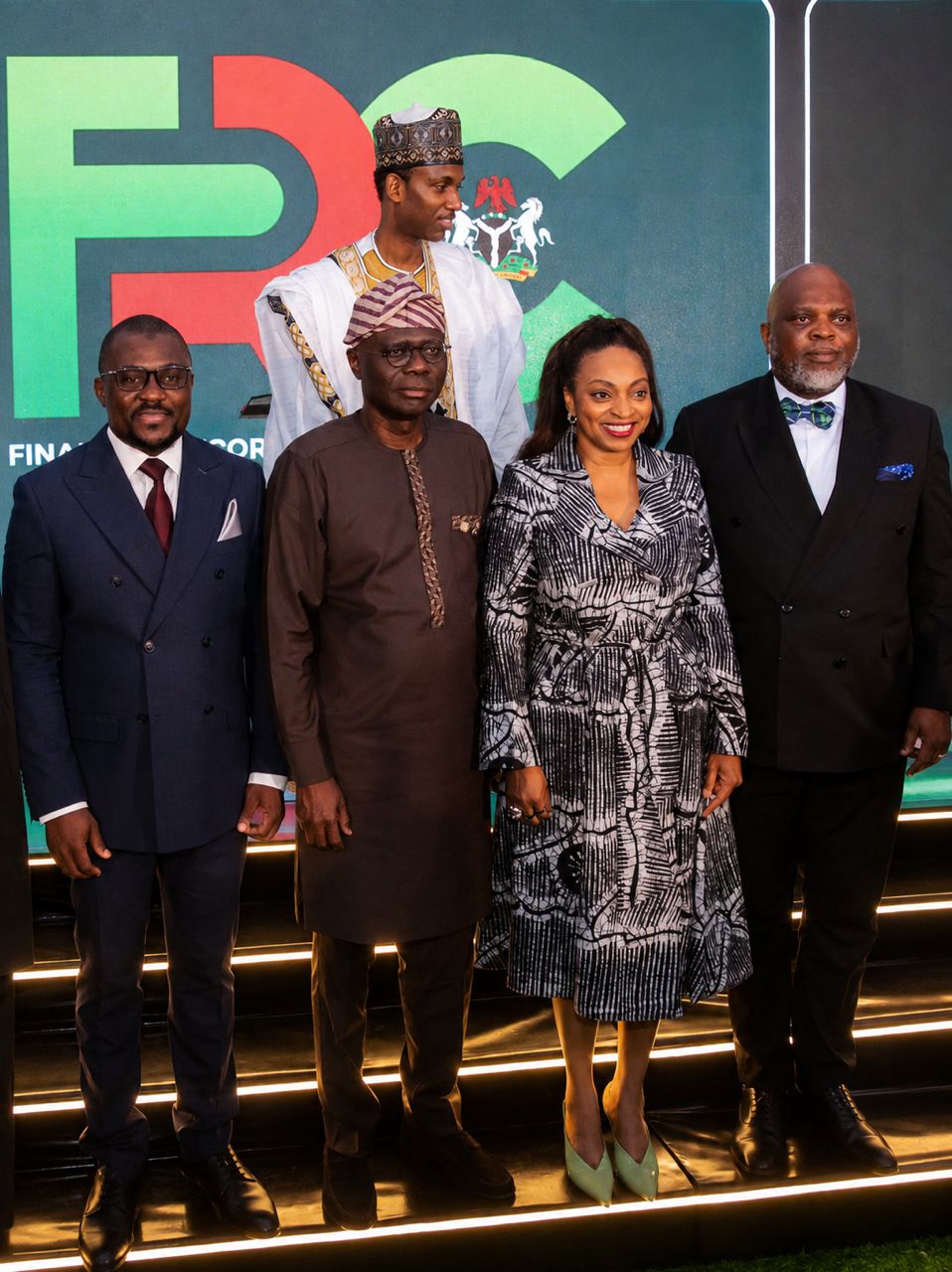
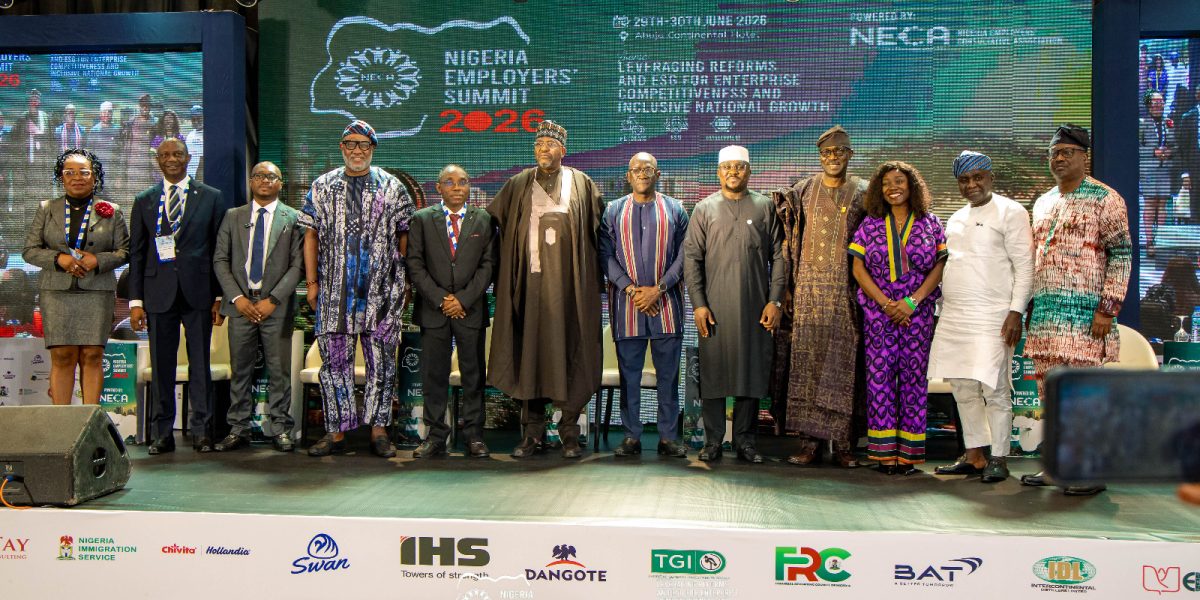
The Executive Secretary/CEO of the Financial Reporting Council of Nigeria, Dr. Rabiu Olowo, today, Tuesday, June 30, 2026, spoke at Plenary Session 3 of the Nigeria Employers’ Summit on Mandatory Sustainability Reporting for Competitiveness, Access to Finance and Sustainable Growth in Nigeria. Dr. Olowo, who was represented by Dr. Rasaq Abubakar, Head, Sustainability Reporting Regulation, FRC, said that sustainability reporting has become a critical tool for building trust, enhancing transparency, and positioning Nigerian businesses for long-term growth in an increasingly competitive global economy.
Delivering the keynote address, he noted that the rules of business are changing rapidly, with investors, lenders, and stakeholders now demanding more than just financial performance. According to him, organisations are increasingly expected to demonstrate how they manage environmental, social, and governance (ESG) risks, respond to emerging challenges, and create sustainable value over time. He emphasised that trust, now a vital business asset, is built on transparency, making sustainability reporting indispensable in today’s corporate landscape.
Dr. Olowo explained that sustainability reporting is not merely about compliance or producing additional reports but about providing decision-useful information that enables investors and stakeholders to assess risks and opportunities effectively. He stressed that global capital is increasingly directed toward organisations that can demonstrate resilience, accountability, and responsible business practices, positioning sustainability disclosures as a key enabler of investor confidence and access to finance.
Highlighting the link between sustainability reporting and competitiveness, he stated that Nigerian businesses seeking to access international markets, attract foreign investment, or participate in global value chains must align with evolving disclosure expectations. Transparency, he said, is fast becoming a competitive advantage, enabling companies to build credibility and strengthen partnerships in the global economy.
On Nigeria’s progress, Dr. Olowo outlined the Financial Reporting Council’s four-phased roadmap for the adoption of International Sustainability Standards Board (ISSB) Standards, culminating in mandatory reporting for public interest entities by 2028. He disclosed that over 50 organisations across various sectors are already advancing toward full adoption, while the FRC has conducted more than 47 training sessions, reaching over 4,500 participants to support capacity building and implementation.
He further noted that sustainability reporting enhances access to finance by strengthening the quality of engagement between businesses and investors. Organisations that provide credible sustainability information, he said, are more likely to attract investment, as transparency builds trust, trust attracts capital, and capital ultimately drives economic growth and prosperity.
Calling on business leaders to take ownership of sustainability reporting, Dr. Olowo urged that it be integrated into boardroom decisions, strategic planning, and overall risk management frameworks. He reiterated the FRC’s commitment to supporting organisations through guidance, stakeholder engagement, and capacity development to ensure successful implementation.
In conclusion, he emphasised that sustainability reporting presents Nigeria with a unique opportunity to strengthen its investment environment, improve corporate transparency, and enhance global competitiveness. He urged businesses to act proactively, noting that organisations that anticipate change and embrace sustainability early will be better positioned to thrive in the future.
No Comment! Be the first one.